
Surf Breaks 101: Beach, Reef, and Point Breaks in Southern California
If you’ve spent any time surfing around Southern California, you’ve heard people talk about beach breaks, reef breaks, and point breaks. These aren’t just labels. They define how waves form, how they break, and what kind of session you’re walking into. The shape of the ocean floor controls everything. It dictates how a wave stands up, how long it runs, and how consistent it is. Understanding the difference between these break types is one of the fastest ways to level up your ability to read the ocean and pick the right spot on any given day. Here’s everything you need to know about the different types of surf breaks in Southern California.
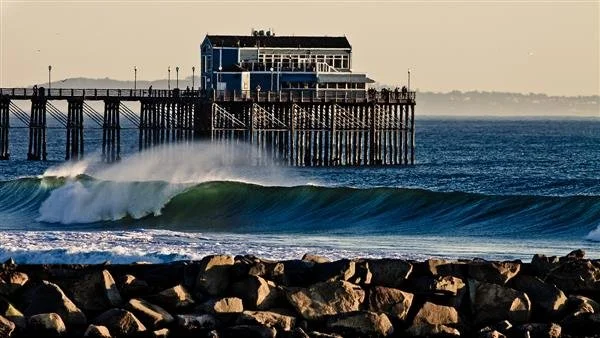
Beach Breaks
Beach breaks are the most common type of wave you’ll find around Oceanside. These waves break over sandbars, and that’s what makes them both fun and unpredictable. Spots like Oceanside Pier, Tamarack in Carlsbad, and Cardiff State Beach are classic examples. The sand shifts constantly due to swell, tides, and currents, which means the wave you surf today might not exist in the same way next week.
That’s part of the appeal. Instead of one defined takeoff zone, beach breaks offer multiple peaks up and down the beach. On a good day, you can find a left, a right, or a wedgey peak with no one on it just by walking a bit.
Beach breaks also handle a wide range of swell directions. South swells, west swells. Mid tide is usually the sweet spot, when there’s enough water to shape the wave without completely flattening it. They’re also more forgiving. You’re landing on sand, not rock, which makes beach breaks the go-to for beginners and a consistent option for everyone else.

Reef Breaks
Reef breaks are where things start to get more defined, and sometimes more serious. In San Diego, reefs are everywhere once you know where to look. Spots like Swami’s, Bird Rock, and parts of La Jolla are built on rock shelves that don’t move. That fixed structure creates waves that break in the same place with the same shape when conditions line up.
That’s the key difference. Where beach breaks shift, reefs stay consistent. When the swell direction is right, reef breaks can produce clean, powerful waves with long walls. Swami’s on a solid west swell is a perfect example—organized lines, predictable takeoffs, and waves that let you actually surf instead of just react.
But they’re also less forgiving. Tide matters more. Too low, and the wave can get shallow and sketchy. Too high, and it might lose shape completely. And then there’s the obvious: you’re not falling onto sand. You need to be more aware of your positioning and your exits.

Point Breaks
Point breaks are where Southern California really stands out. Unlike beach and reef breaks that peak and close out, point breaks wrap. The swell bends around a headland and peels down the line, creating longer, more connected rides.
Malibu is the most famous example in SoCal, but closer to San Diego, spots like Sunset Cliffs and parts of Encinitas can act like point-style setups when the swell direction is right. When it’s working, a point break gives you time. Instead of one quick section, you get a wave that keeps offering opportunities—cutbacks, trims, linking turns down the line.
But points are picky. Swell direction has to be spot on. Too straight, and the wave closes out. Too angled, and it doesn’t wrap properly. Tide shifts the personality of the wave—lower tides tend to make it steeper and faster, while higher tides can slow things down. Wind can also be more forgiving at points depending on how the coastline blocks it, which is why some of these spots stay clean even when other beaches are blown out.

How to Read It All
No matter where you’re surfing—Oceanside, Carlsbad, Encinitas, or further south—the real skill is understanding how swell, tide, and wind interact with each type of break. A beach break might be firing on a mixed swell with some wind. A reef might need a cleaner, more specific direction. A point might only come alive on a certain tide window.
That’s why local knowledge matters.
Even within a short stretch of coast, you’ve got completely different setups. You can check a blown-out beach and then find a clean, lined-up reef ten minutes away.
And that’s part of what makes staying at The Green Room Hotel such an easy base for a surf trip. You’re right between multiple types of breaks, all within a short drive or even a quick check on foot.