
The History of Surfing in Oceanside
California’s coastline is filled with places that have shaped the history of surfing, and Oceanside is no exception. Long before surfing became a global industry or Southern California developed its reputation as the epicenter of American surf culture, Oceanside’s consistent waves, accessible beaches, and tight-knit surf community helped establish the city as one of the state’s most important surfing destinations. Oceanside’s surf history spans more than a century, and was built by pioneering watermen, generations of local surfers, influential surfboard builders, and a community that continues to embrace the ocean as part of everyday life.
The Early Days of Surfing in Oceanside
Surfing arrived in Southern California in the early 1900s, when Hawaiian surfers introduced the sport to mainland audiences. While beaches in Los Angeles often receive much of the historical attention, Oceanside quickly became one of the first coastal communities where surfing found a permanent home. The city’s wide beaches, reliable swells, and favorable climate made it an ideal place for the sport to grow. Unlike many stretches of the Southern California coastline, Oceanside offers waves that break throughout the year under a variety of swell directions. This consistency allowed local surfers to spend more time in the water and helped establish surfing as part of the city’s culture rather than simply a seasonal pastime. By the late 1940s, surfing had become increasingly common along Oceanside’s beaches, particularly around the pier, where generations of surfers gathered to share waves, techniques, and equipment.
The Oceanside Pier Becomes a Surf Landmark
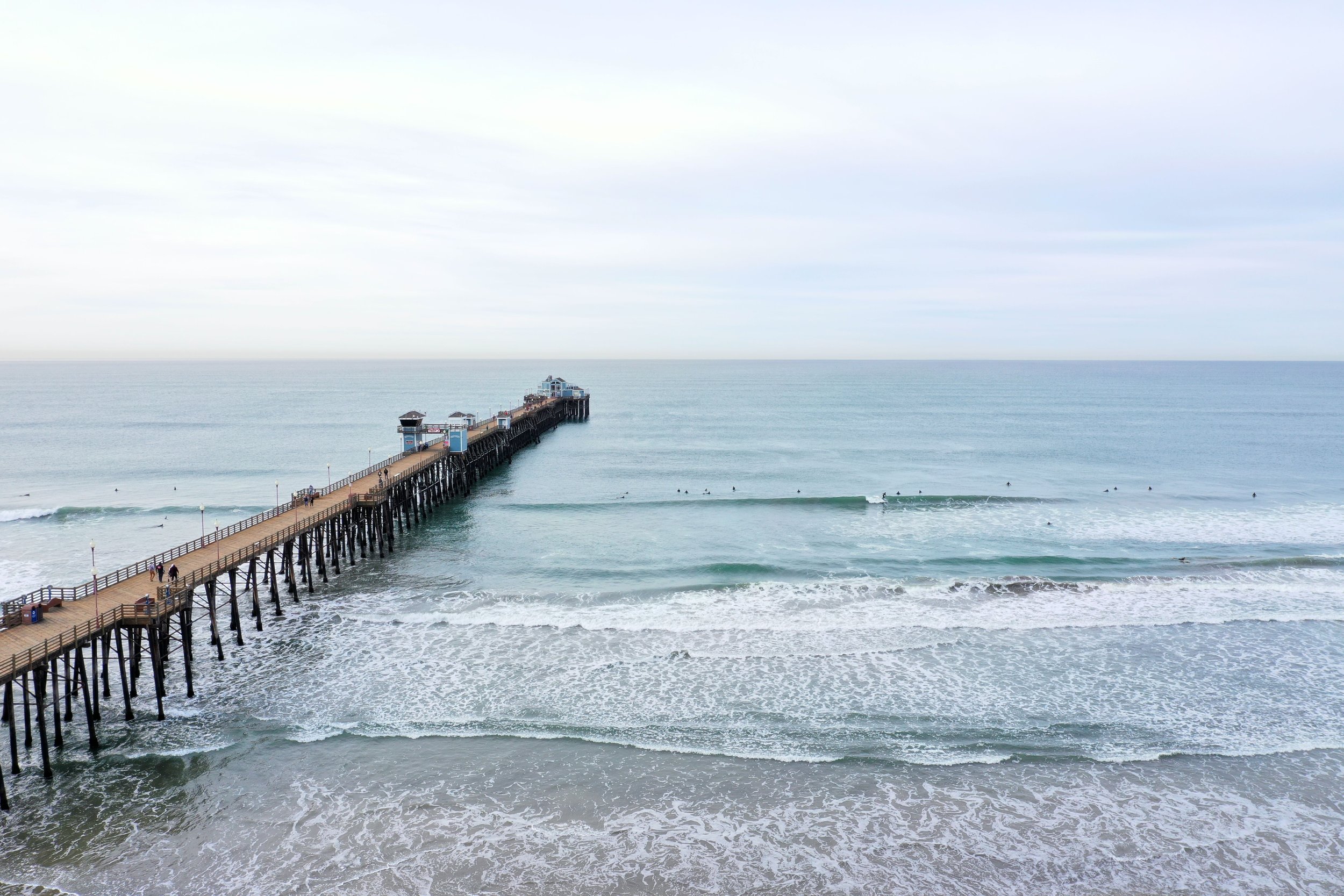
Few structures have played a larger role in Oceanside surfing than the Oceanside Pier. Originally constructed in 1888 and rebuilt several times following storm damage, the current pier has become one of California’s most recognizable surfing landmarks. Stretching nearly 2,000 feet into the Pacific Ocean, it creates consistent sandbars and wave conditions that attract surfers ranging from beginners to seasoned locals. The pier also became a natural gathering place. Before surf forecasting apps, social media, or webcams, surfers met each morning to check the conditions together. Lifelong friendships, local rivalries, and countless surf stories began in the parking lots and lineups surrounding the pier. Even today, watching surfers paddle out beneath the pier remains one of Oceanside’s defining coastal experiences.
Military Influence and Surf Culture
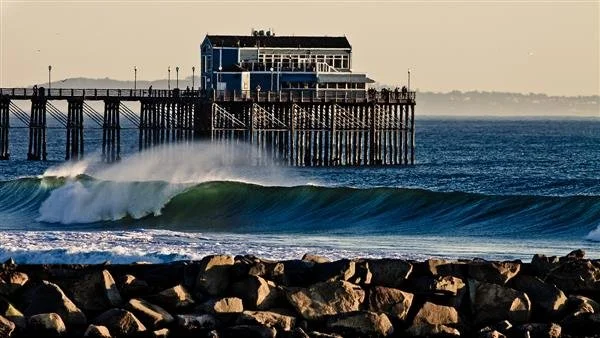
Oceanside’s identity has long been intertwined with nearby Marine Corps Base Camp Pendleton. Beginning during World War II, thousands of Marines stationed at Camp Pendleton discovered surfing while living near the coast. Many learned to surf in Oceanside during their service before carrying the sport back to communities across the United States after leaving the military. This unique relationship helped spread surfing far beyond California while strengthening Oceanside’s local surf scene. Military families, lifelong residents, and visiting surfers shared the same beaches, creating an unusually diverse surfing community that continues to this day.
The Rise of Surfboard Manufacturing
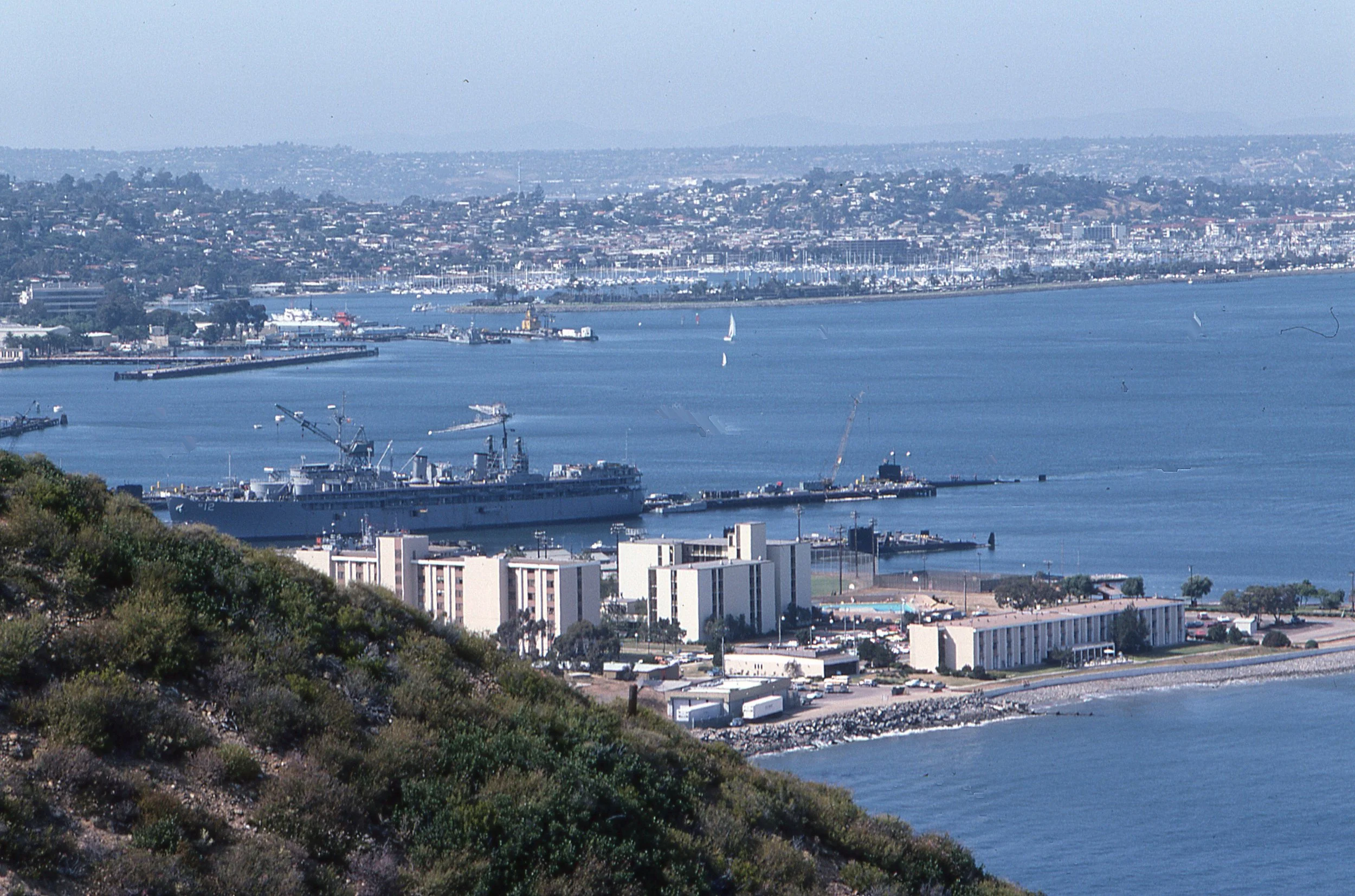
As surfing exploded in popularity during the 1950s and 1960s, Oceanside became home to a thriving surfboard industry. Southern California was at the center of surfboard innovation during the longboard era and the shortboard revolution that followed. Oceanside’s proximity to quality waves allowed local shapers to test new designs almost immediately after building them. Over time, numerous surfboard manufacturers, glass shops, and shaping bays established themselves throughout North County San Diego. Today, Oceanside remains one of the few places where visitors can still find independent surfboard shapers producing handcrafted boards only minutes from the beach. This tradition of craftsmanship continues to distinguish Oceanside from many surf destinations where production has largely shifted overseas.

A Community Built Around Surfing
What makes Oceanside unique isn’t simply the quality of its waves; it’s how thoroughly surfing is woven into everyday life. Early mornings bring surfers checking conditions before work. Afternoons fill with local groms finishing school and heading straight to the beach. Families spend weekends together in the lineup, often surfing the same breaks across multiple generations.
The city’s downtown is a clear reflection of the city’s connection to the ocean. Independent surf shops, board repair specialists, coffee shops filled with surfers, beachside restaurants, and local artists all contribute to an atmosphere that feels authentic rather than manufactured. While many California beach towns have become increasingly commercialized, Oceanside has largely retained the character of a working surf community.
Whether you’re paddling out for your first lesson, watching surfers from the Oceanside Pier, or simply enjoying the laid-back atmosphere that defines the city, it’s easy to see why surfing remains at the heart of Oceanside’s story. For visitors staying at The Green Room Hotel, the surf and the surf community are just a short walk away.